Slow drying is usually airflow, not the heater — so these amana dryer drying tips focus on the lint screen, vent, and load size that decide how fast clothes dry.
It helps to know how the appliance works. An Amana dryer is mostly an airflow machine: a blower pulls room air across a heater, through the tumbling drum, and out the exhaust vent, while a moisture sensor or thermostat decides when the clothes are dry. Anything that restricts that airflow — a clogged lint screen, a long or crushed vent, an overloaded drum — makes the dryer run longer and hotter than it should. That is why the lint screen and vent, not the heater, are behind most slow-drying complaints.
Clean the lint screen every load
A lint screen clogged even partway chokes airflow, so the dryer runs longer and hotter than it should. Pull the screen and clear it before every load, and a few times a year wash it under water to remove the invisible film that fabric softener leaves behind. This is the cheapest, highest-impact dryer habit there is.
Keep the exhaust vent clear
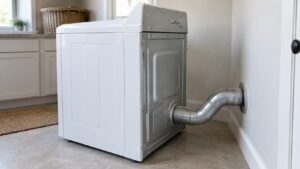
Lint that gets past the screen collects in the vent duct and the wall cap. A blocked vent is the top cause of long dry times and a real fire risk. Keep the duct as short and straight as practical, use rigid or semi-rigid metal rather than crushable foil, and have the full run cleaned once a year.
- Check the outside vent flap opens when the dryer runs.
- Replace ribbed plastic or foil duct with smooth metal.
- Clear the wall cap of lint and any nesting debris.
Do not overload, and use auto-dry
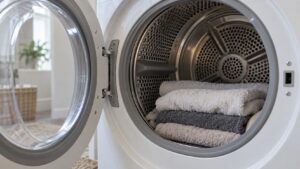
A drum packed full cannot tumble, so clothes stay damp in the middle and dry unevenly. Leave room for the load to move. Where possible use an automatic (sensor) cycle instead of timed drying — the moisture sensor stops the dryer when clothes are actually dry, saving energy and preventing over-drying that wears fabric.
Sort loads and skip the over-drying
How you sort changes drying time as much as the vent does. Heavy items like towels and jeans hold far more water than lightweight shirts, so a mixed load leaves the light items bone-dry and over-baked while the heavy ones are still damp. Drying similar fabrics together lets the whole load finish at once. Avoid running an extra timed cycle “to be sure” — over-drying is what fades colors, shrinks fabric, and creates static, and it wears clothes faster than washing does. A wool dryer ball or two can speed things along by keeping the load separated, and shaking items out before loading helps the air reach every surface so nothing dries in a damp clump.
Habits that prevent service calls
Most problems that send people searching for a repair start small and build up quietly. A few minutes of regular attention prevents the majority of them: keep the appliance clean where residue and lint collect, check the seals and connections a couple of times a year, and act on the first sign of a change in performance rather than waiting for a hard failure. These habits cost nothing, extend the life of the appliance, and keep it running efficiently — and they make any eventual repair smaller, because a problem caught early rarely takes the rest of the system down with it.
When to call a technician
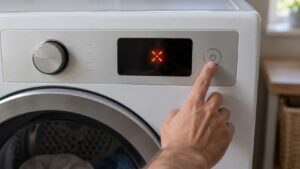
If clothes are still damp after a full cycle with a clean screen and clear vent, the heater, thermostat, or moisture sensor may be failing. A technician can confirm the dryer is heating and sensing correctly.
Quick reference
The short version of this guide:
- Clean the lint screen every load.
- Keep the exhaust vent clear.
- Do not overload, and use auto-dry.
If a problem persists after trying these steps, an experienced Amana technician can diagnose it on site rather than leaving you to replace parts on a guess. Book a visit through our dryer repair service, look up a problem on our Amana error-code pages, or browse the full Amana guides library for more troubleshooting and maintenance help across every appliance we service.